FinCEN ties $13B in crypto scams to non-US operations
The agency reported that “transnational criminal organizations” based in compounds in Southeast Asia were largely behind digital asset scams targeting US residents.

The agency reported that “transnational criminal organizations” based in compounds in Southeast Asia were largely behind digital asset scams targeting US residents.

The U.S. Treasury’s Financial Crimes Enforcement Network has linked approximately $12.7 billion in suspicious financial activity to digital asset investment scams largely run from overseas scam compounds, based on nearly 34,000 reports filed over more than two years. The Financial…

The rise in crypto scams highlights the urgent need for enhanced global regulatory cooperation and robust financial monitoring systems.

Monthly reported sums rose 18% on average, and the compounds now appear to be spreading beyond Southeast Asia.

The Treasury Department linked approximately $12.7 billion in reported financial activity to suspected digital asset investment scams centered overseas. FinCEN’s new alert outlines how criminal networks attract victims, move proceeds, and exploit financial institutions. FinCEN Analysis Tracks $12.7 Billion in Suspected Activity The Treasury Department’s Financial Crimes Enforcement Network (FinCEN) identified approximately $12.7 billion in […]

Operation Economic Outcast is preparing to expand its banking offensive, with Treasury Secretary Scott Bessent saying the U.S. plans to sanction another bank. The planned action follows FinCEN’s proposal targeting Banque Misr UAE. How Treasury Uses Dollar Access as Leverage Operation Economic Outcast is preparing to expand its pressure on foreign financial institutions. Bessent told […]

The FinCEN action could trigger global financial de-risking, impacting international banking relationships and compliance strategies.

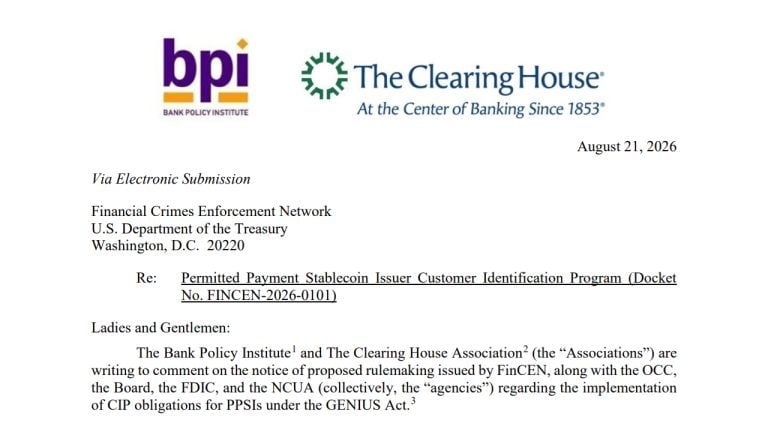
The Bank Policy Institute, representing the massive U.S. banking lobby, filed a comment letter asking FinCEN to apply customer identification requirements to secondary stabilization markets, extending the provision applied to stablecoin issuers to exchanges with a direct relationship with retail customers. Big Banks Ask For Customer ID Requirements to Be Extended to Secondary Stablecoin Markets […]
U.S. regulators claim H-Pay emerged from Huione's operations after earlier enforcement actions, prompting a proposed expansion of existing restrictions.

Last year, FinCEN designated Huione Group as a primary money laundering concern under the USA Patriot Act.