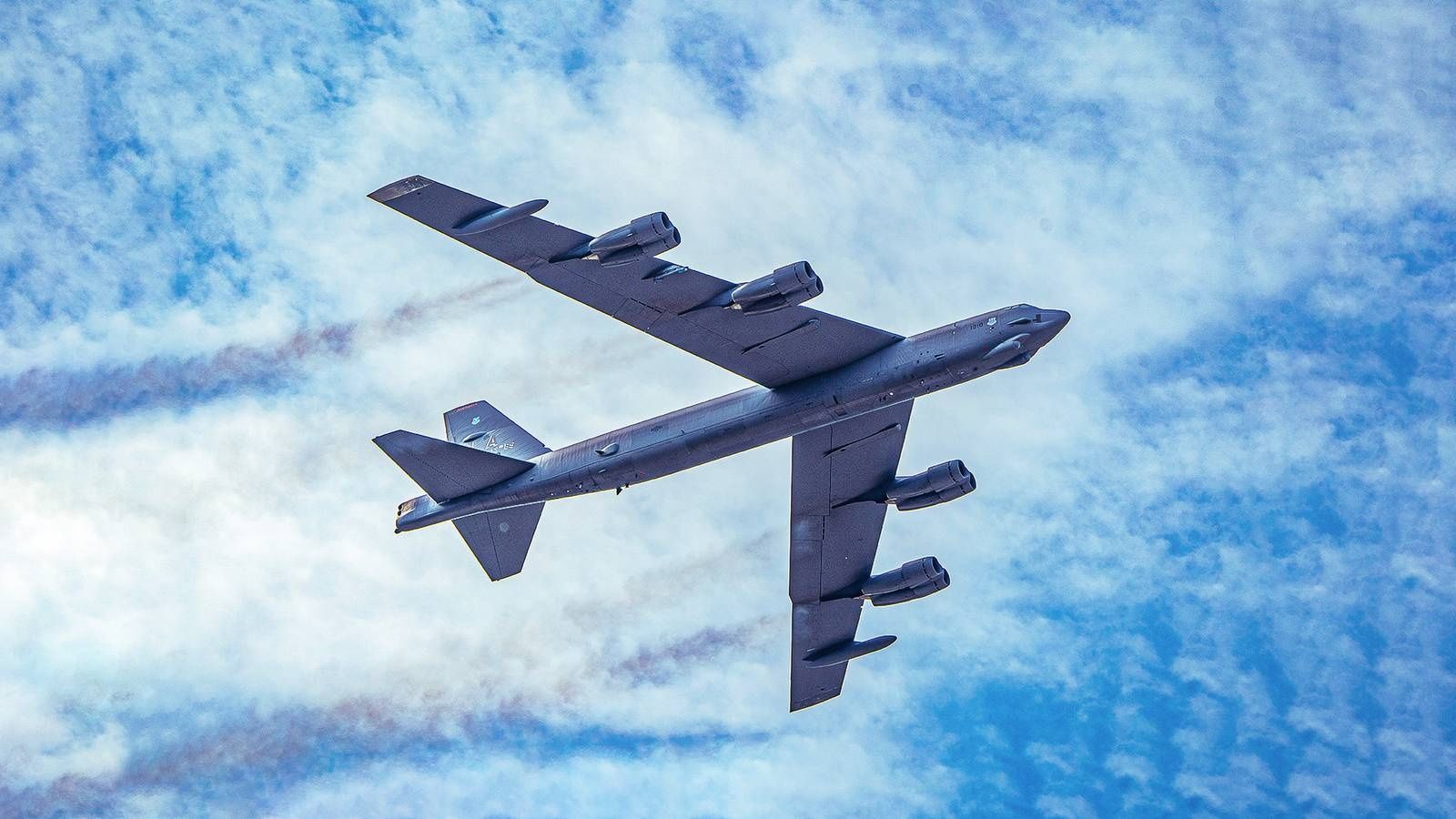
Inside The $603 Million Contract Giving B-52 Bombers A New AESA Radar
The new and improved BUFF gets another pay bump.
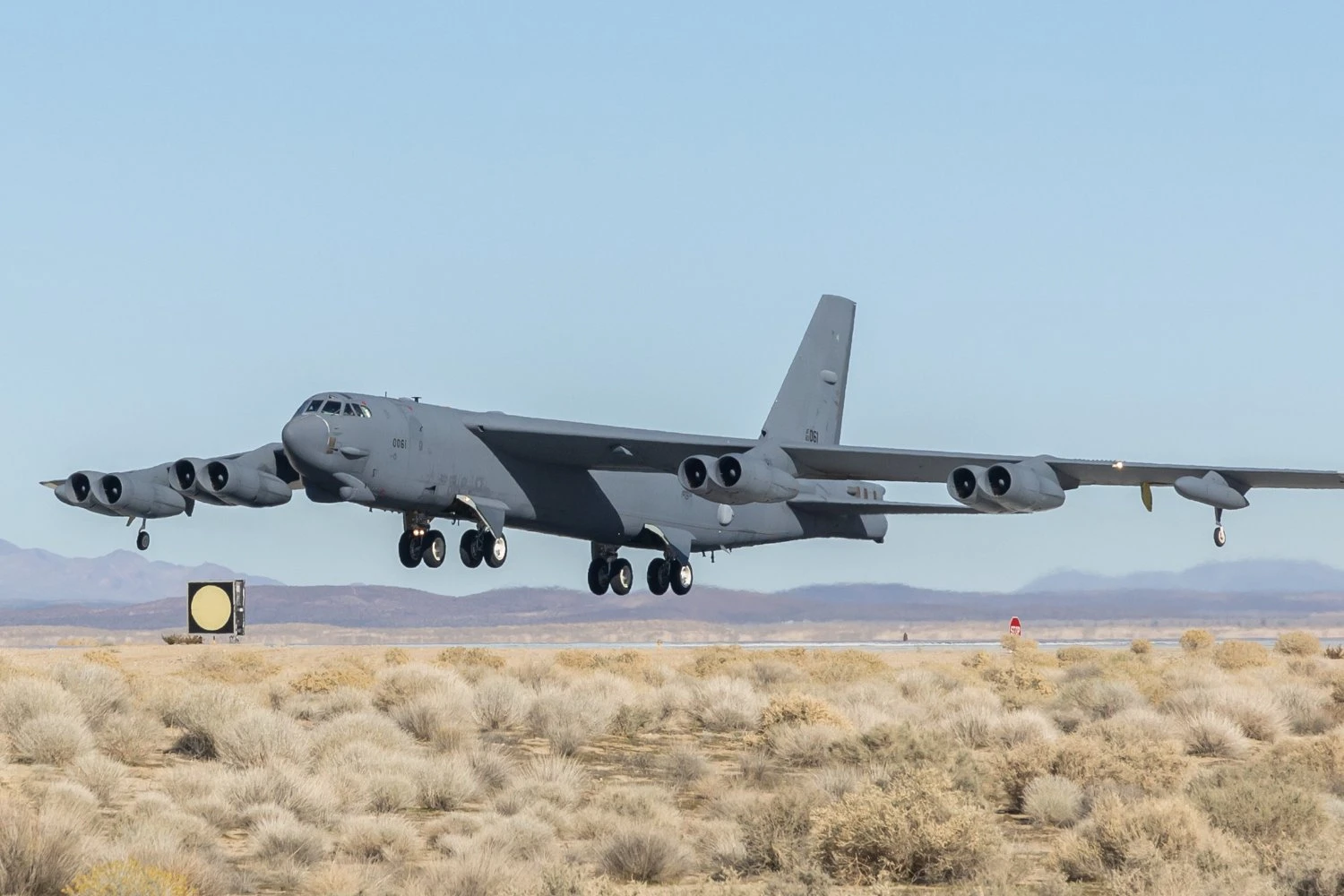




A US Air Force B-52 Stratofortress crashed shortly after takeoff at Edwards Air Force Base in California on…
The new and improved BUFF gets another pay bump.
Aviation News – Air Force Global Strike Command has officially launched the North Star Readiness Campaign, a major tri-agency initiative designed to significantly increase the...
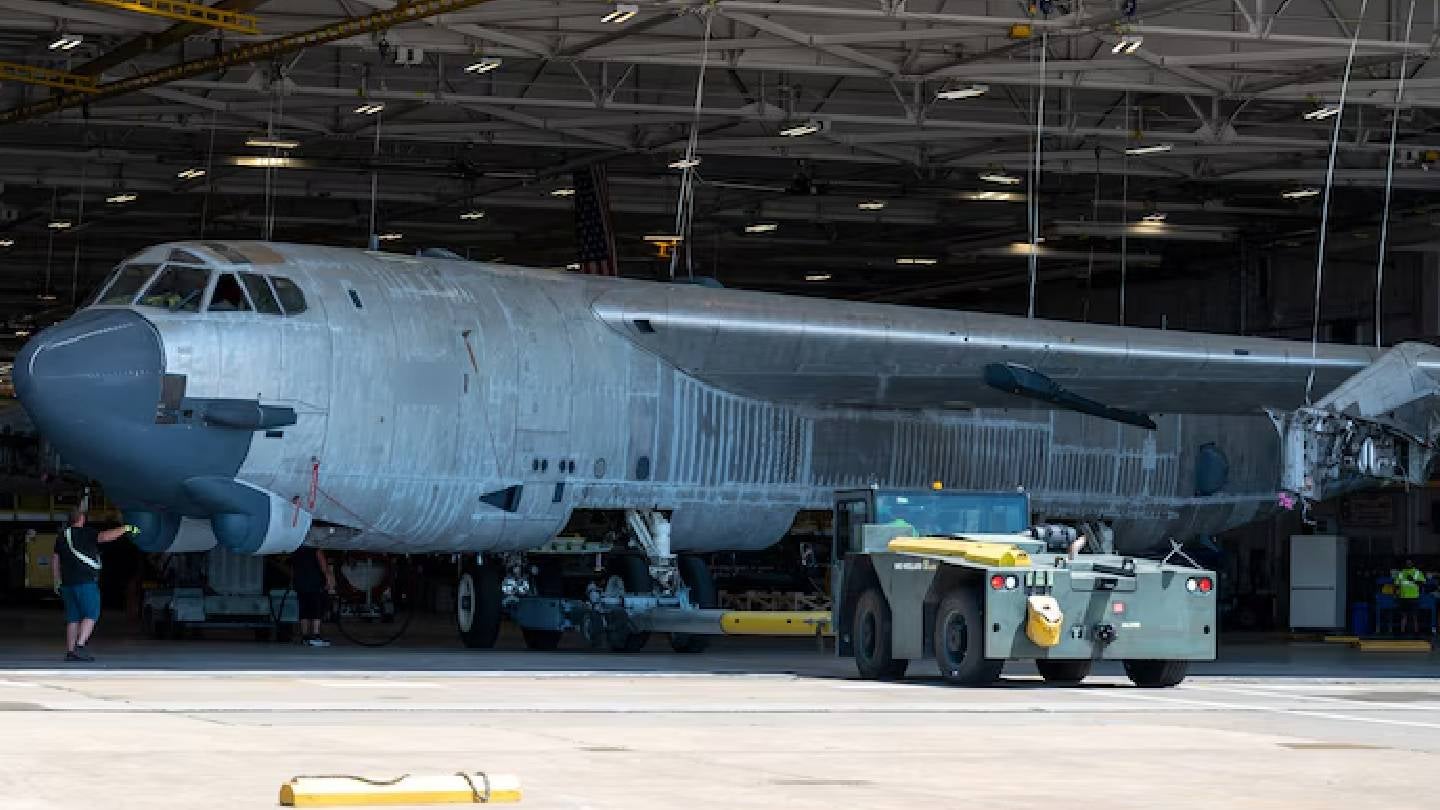
The USAF initiated the North Star Readiness Campaign to raise the number of mission-capable B-52 Stratofortress and B-1 Lancer bombers.
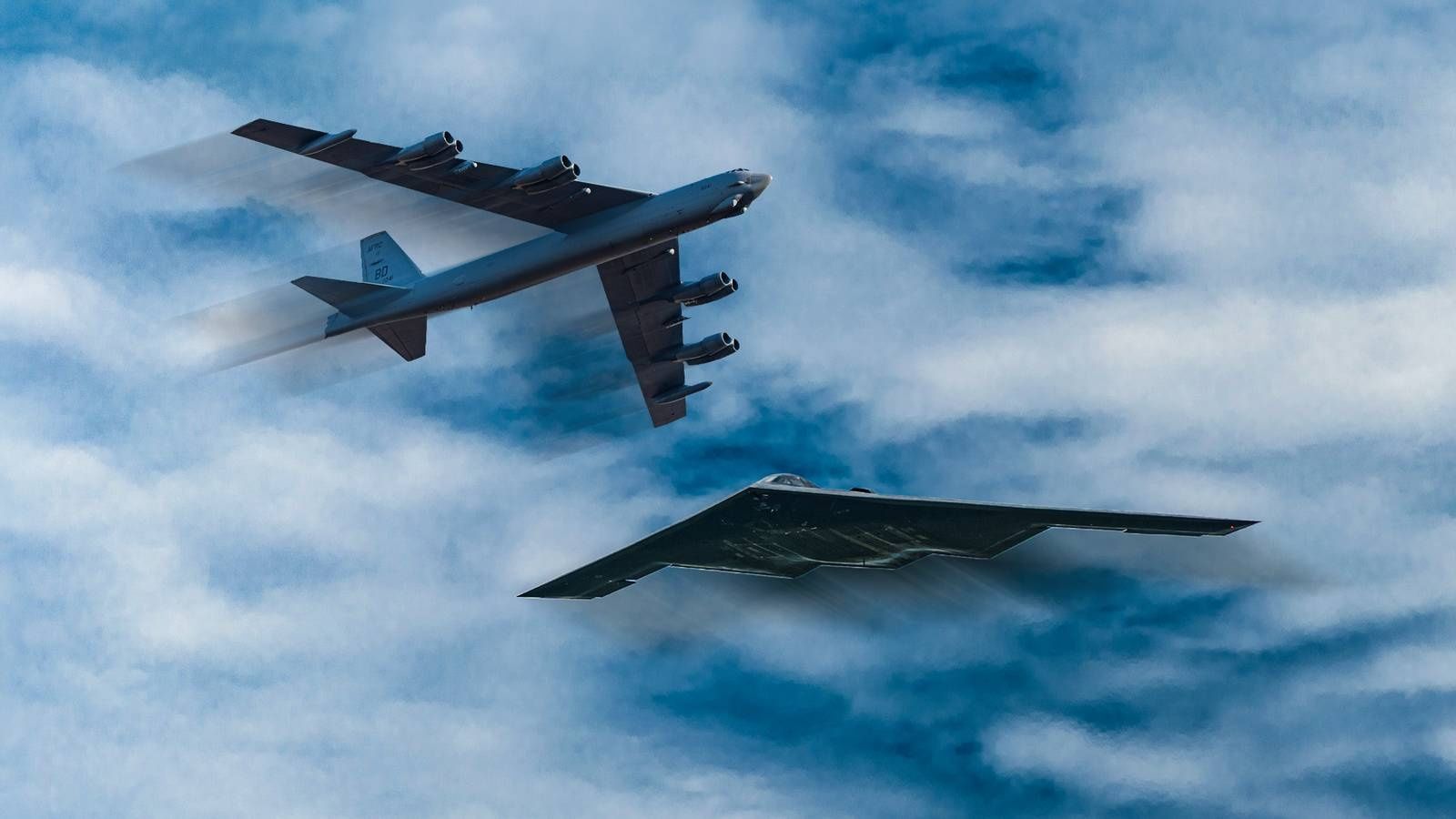
Two of the Air Force's heaviest hitters go head-to-head.

Budget overruns force the BUFF to cut back.

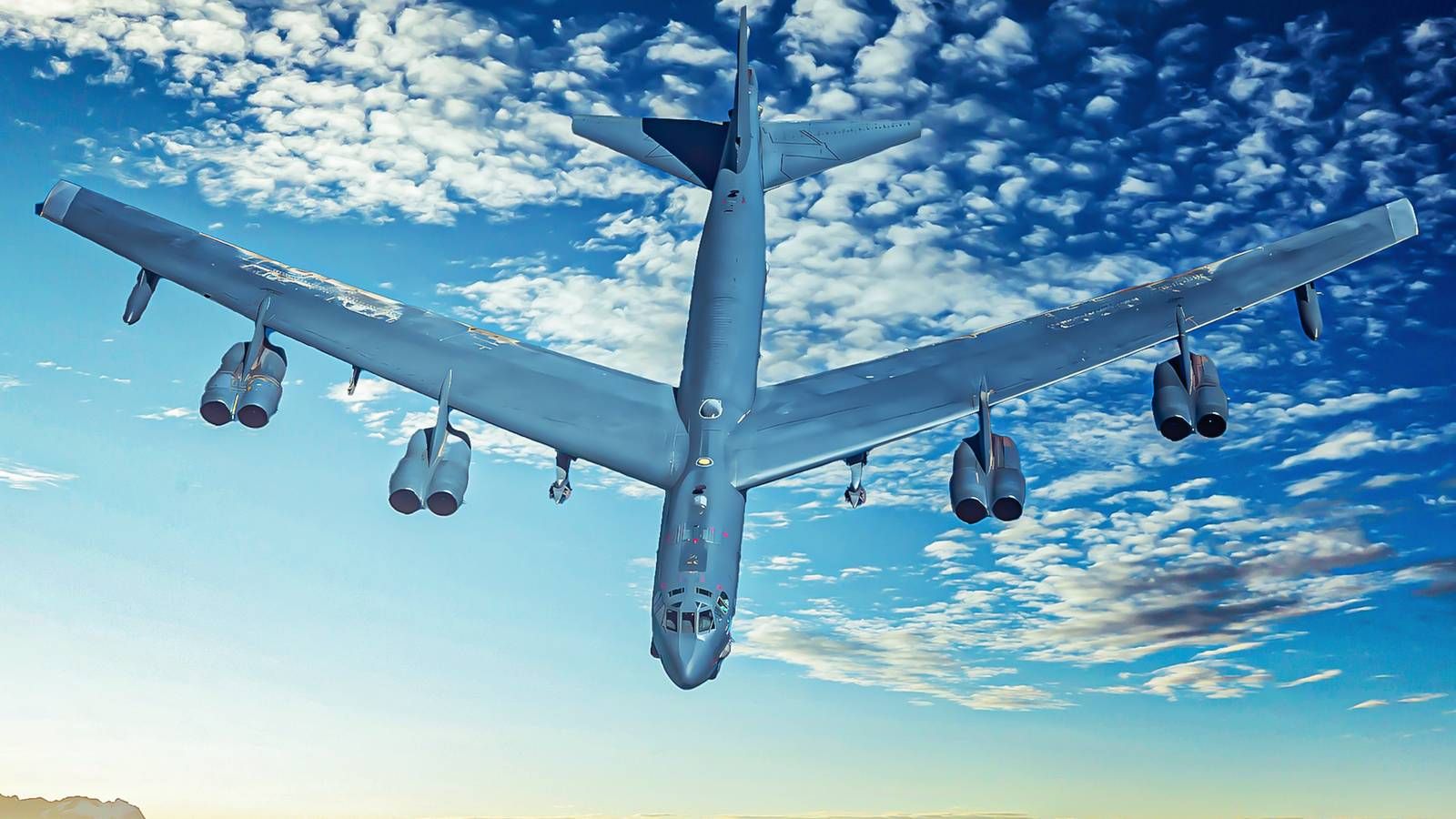
Upgrades, new engines, and modern radar are keeping the B-52 Stratofortress on track to become the first jet aircraft to reach 100 years in the skies.

A viral video captured the US Air Force performing a seemingly impossible maneuver with a B-52 bomber.

US Air Force awards contracts worth up to US$766 million for a modernization program that has exceeded US$2.9 billion and suffered major delays
Air Data News•Ricardo Meier27 Aug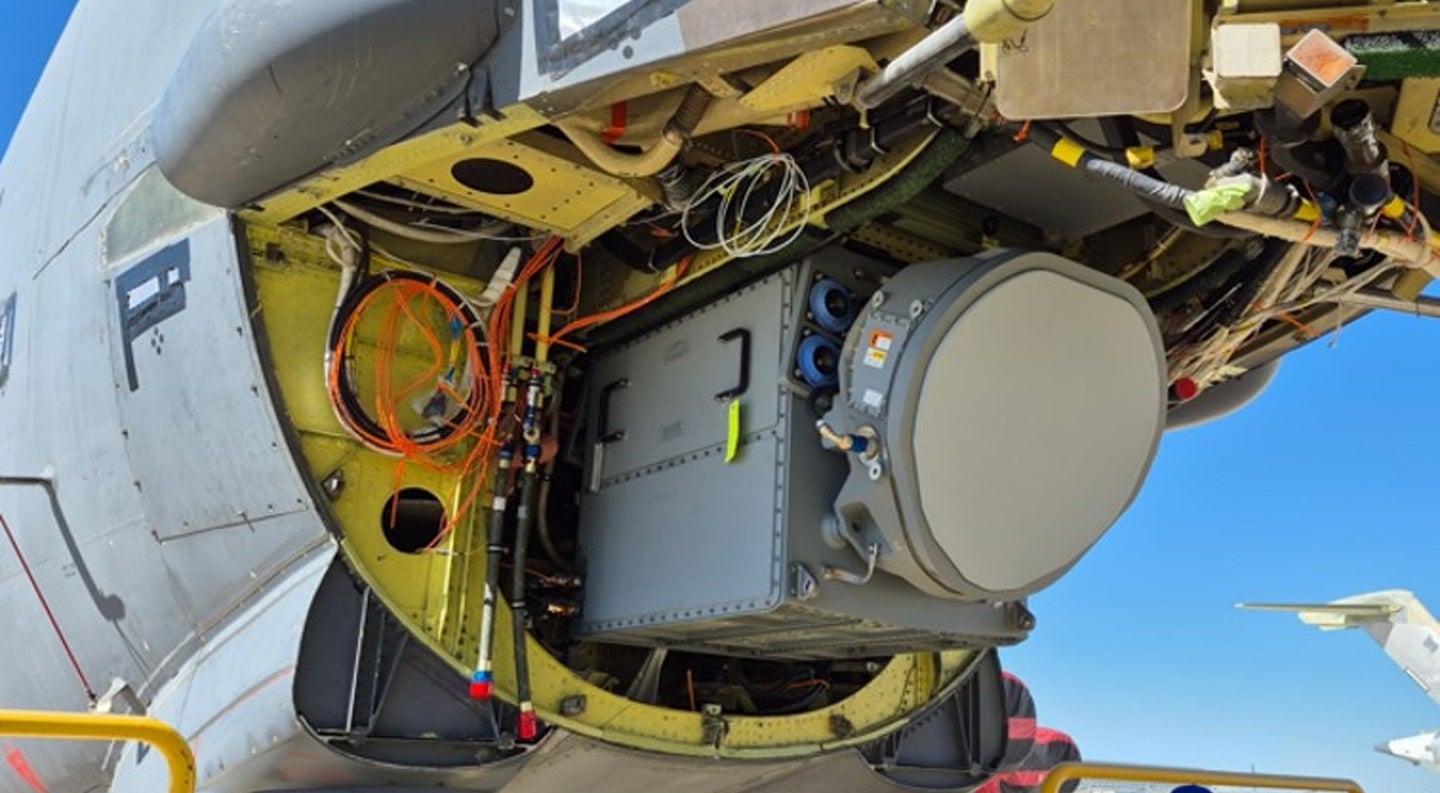
Raytheon has a secured a USAF contract to produce a new generation AESA radar for the B-52 bomber life extension.

The latest and greatest version of the BUFF is getting pricier.
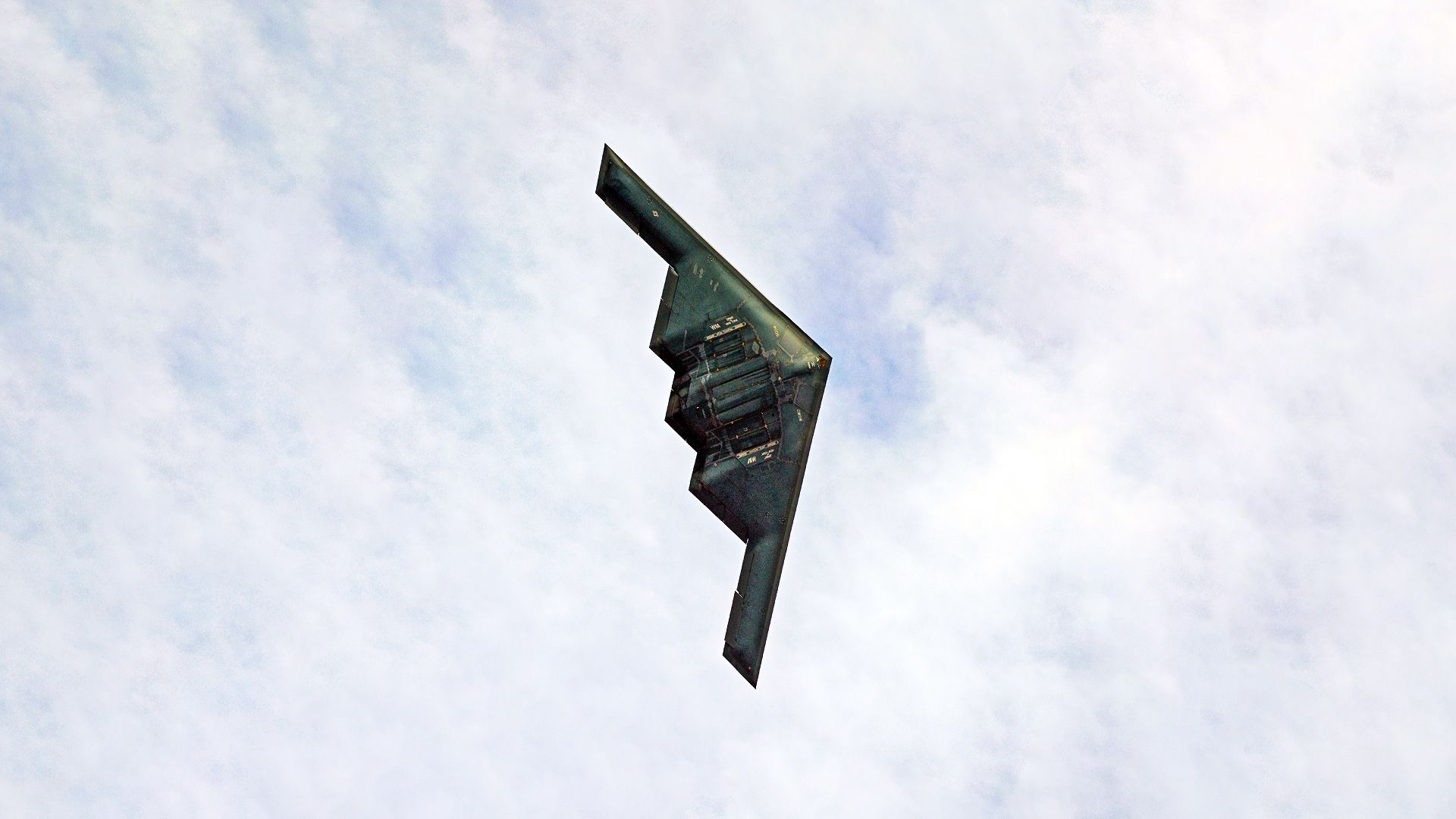
Why the USAF rarely launches the B-1B, B-2 and B-52 together—and why Guam's Andersen AFB is uniquely equipped to make it possible.
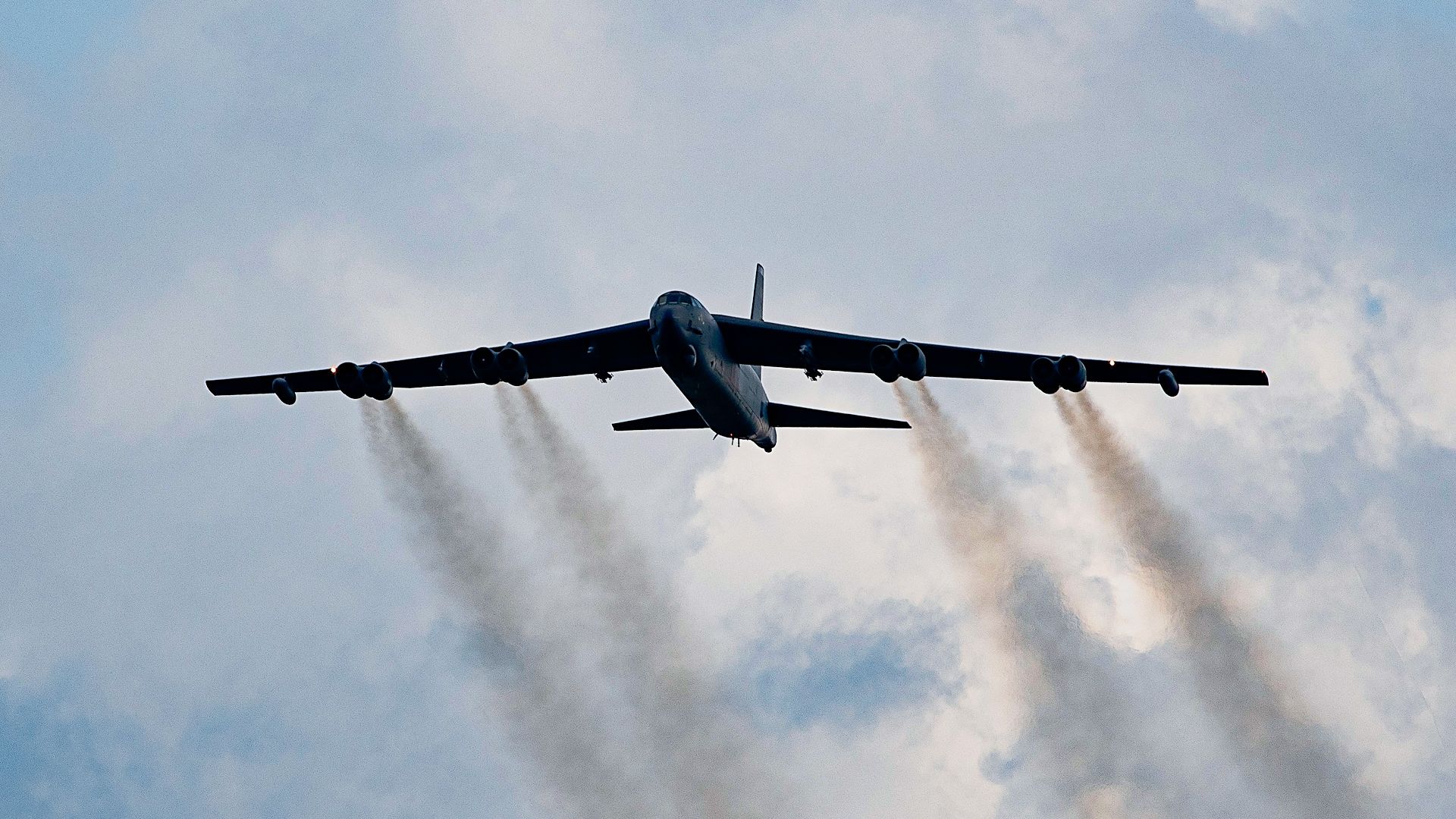
The B-52J will serve a complementary role with the B-21 with the two aircraft optimized for different, but related missions.
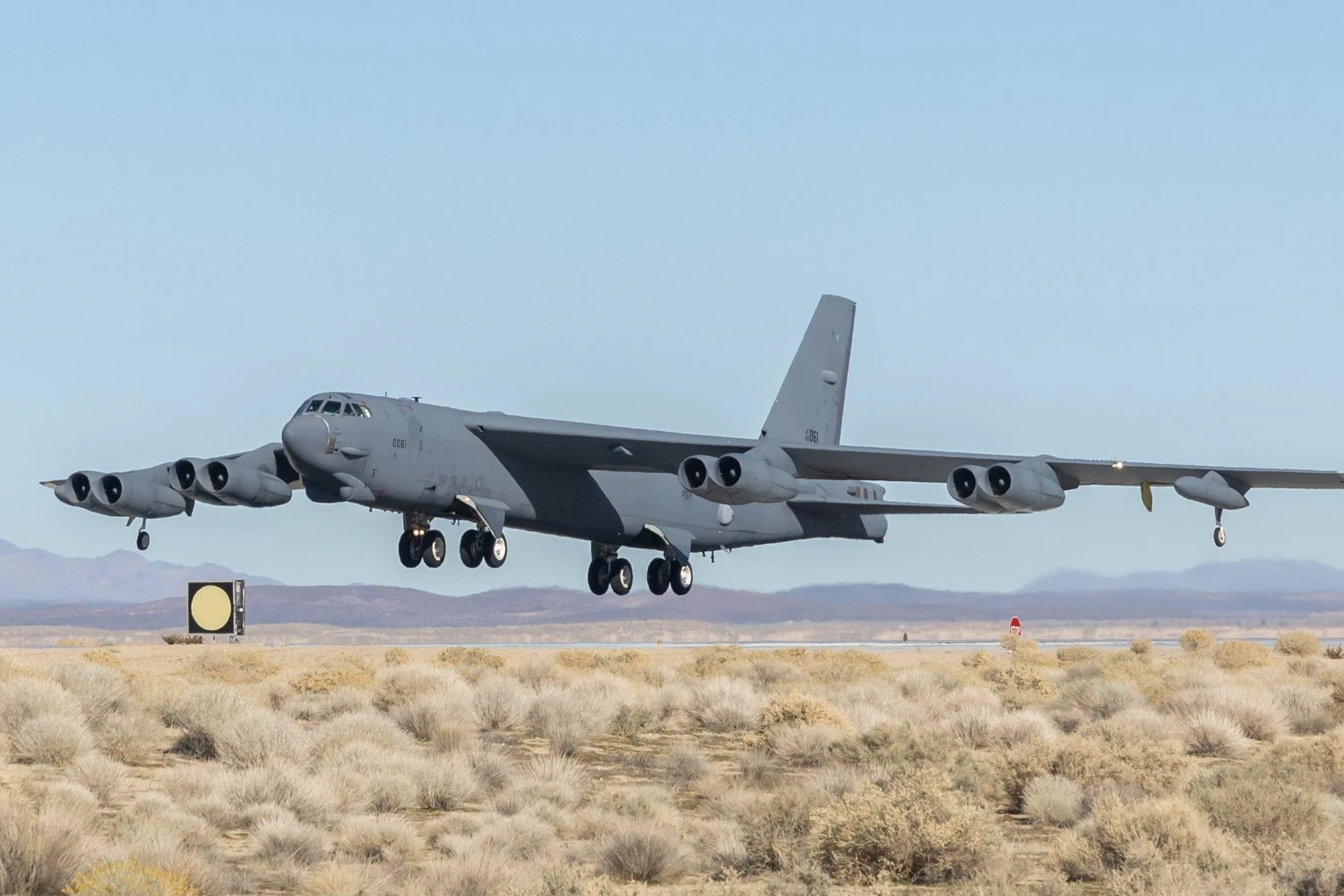
GAO urges changes to reduce program risks after radar costs surged and first test aircraft was lost in June
Air Data News•Ricardo Meier1 Aug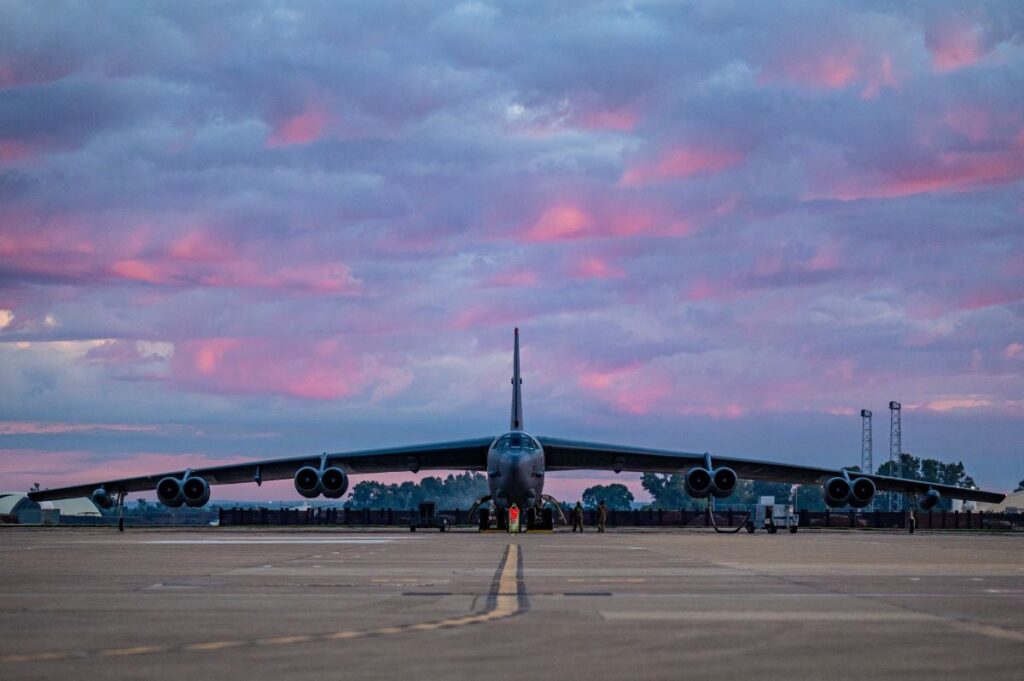
DAYTON, Ohio–The Air Force is modifying a B-52H to resume Radar Modernization Program (RMP) testing for the bomber. RMP is to feature an active electronically scanned array radar based on RTX’s […]
 Avionics International•Frank Wolfe30 Jul
USAF says work on replacement test bomber should be completed by the end of 2026
Air Data News•Ricardo Meier27 Jul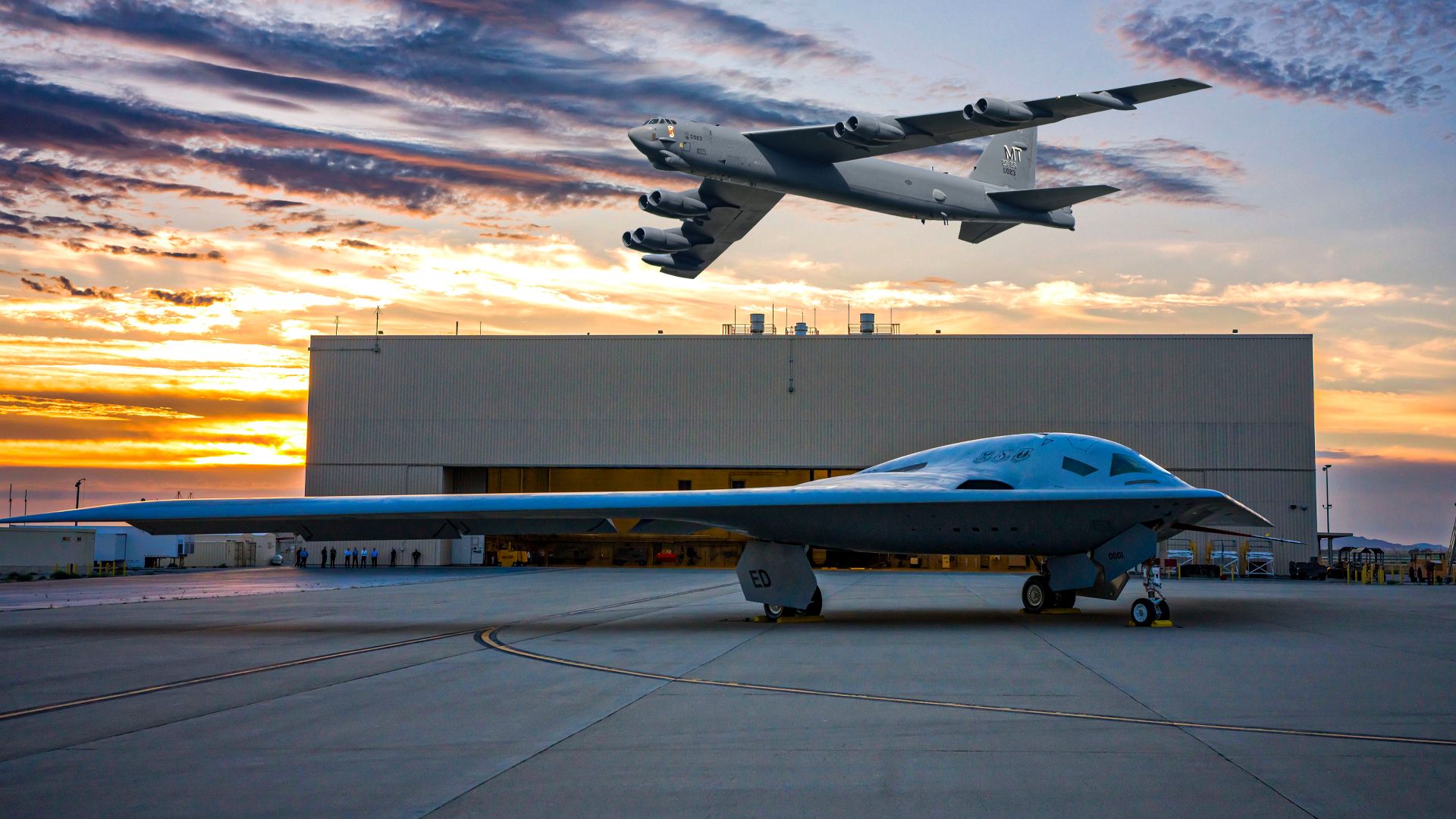
The B-52J and B-21 are to be linked by the next-generation stealthy nuclear cruise missile currently under development by the Air Force.
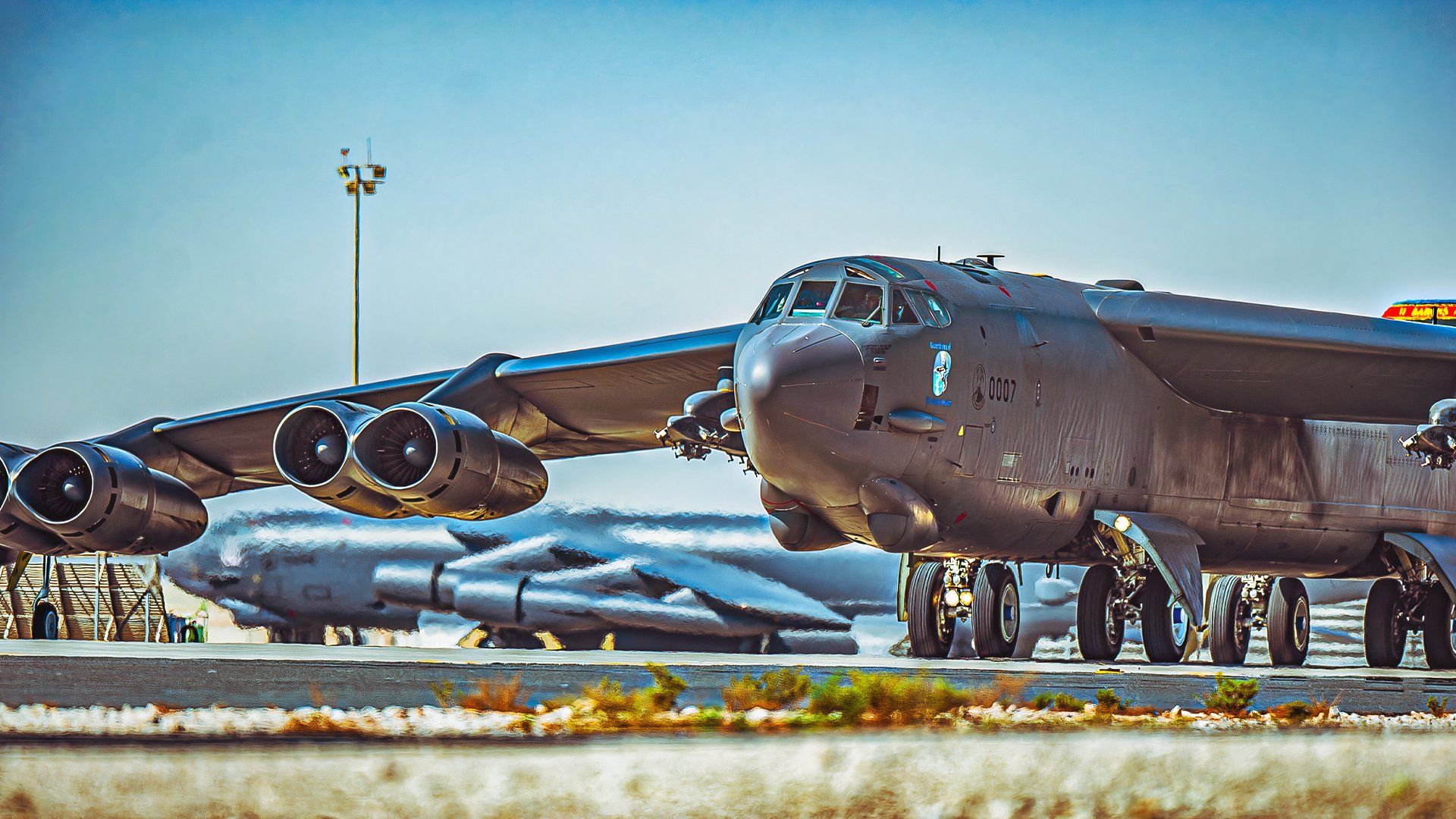
The upgraded B-52 will keep two small towns at the center of US nuclear deterrence strategy for years to come, while the USAF waits for the B-21.
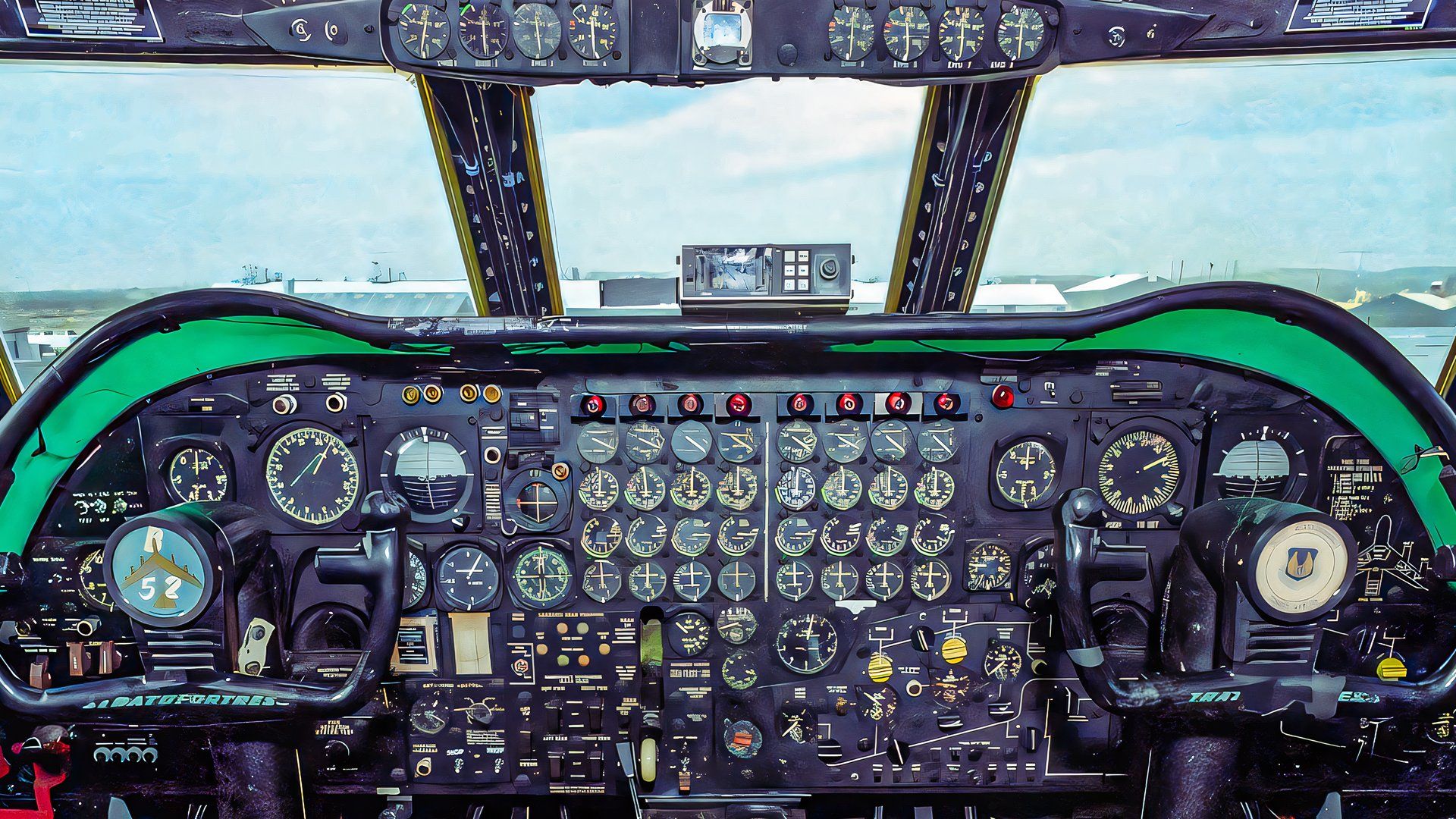
The B-52 began its service life in the 1950s, it's still flying today because it easy to modernize and it can carry any weapon in the US arsenal.
One engine swap makes a 1950s bomber more useful than the aircraft designed to replace it.