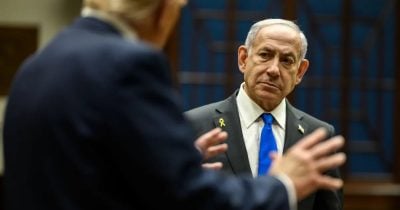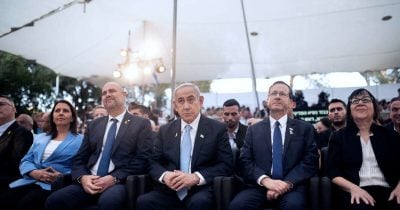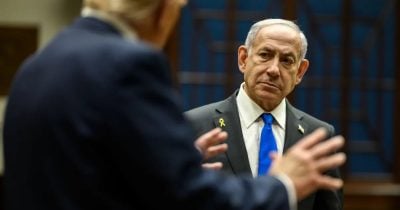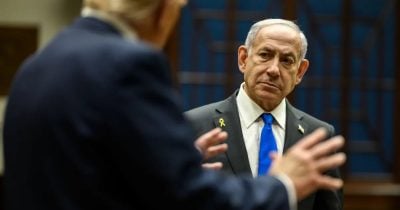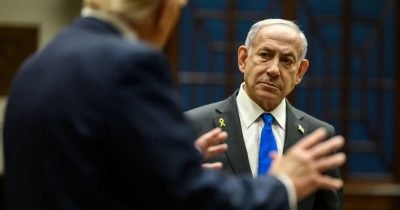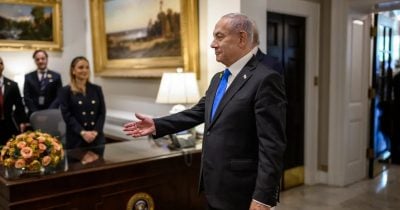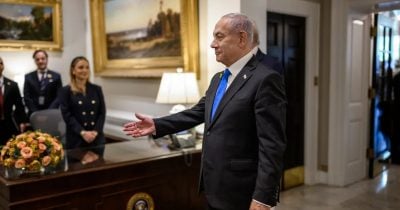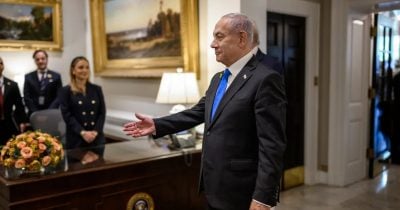
Netanyahu’s nuclear facility visit signals potential Israel-Iran confrontation
Increased military posturing by Israel may hinder diplomatic efforts, reducing the likelihood of a US-Iran nuclear deal and regional stability.

Increased military posturing by Israel may hinder diplomatic efforts, reducing the likelihood of a US-Iran nuclear deal and regional stability.

Netanyahu's move may temporarily stabilize his government but risks deepening societal divides and impacting long-term political cohesion.

The media reform law may heighten political instability in Israel, potentially impacting Netanyahu's government and parliamentary dynamics.

Netanyahu's warning underscores escalating tensions, reducing prospects for peace and increasing the likelihood of military conflict in 2026.

The law's passage may heighten political instability, potentially leading to increased pressure on Netanyahu's coalition and possible parliament dissolution.

Netanyahu's actions risk deepening Israel's political instability, potentially leading to governance challenges and a constitutional crisis.

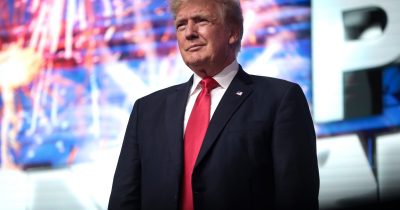
Trump's call for Israeli troop withdrawal could reshape Middle East dynamics, impacting geopolitical stability and crypto market volatility.

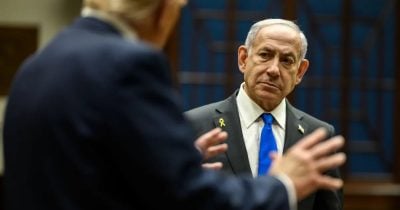
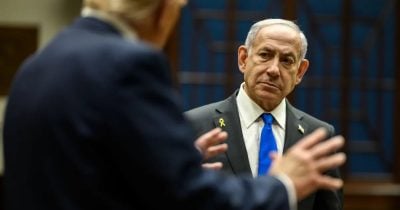
Trump's directive to Netanyahu could strain US-Israel relations, impacting regional stability and influencing Bitcoin's market volatility.

Netanyahu's visit signals a hardened Israeli stance, potentially reducing diplomatic engagement prospects with regional adversaries.

The fragile ceasefire heightens geopolitical uncertainty, risking renewed conflict and impacting global markets and diplomatic efforts.

Hezbollah's reduced missile capacity may lower immediate military threats but complicates long-term peace prospects and diplomatic urgency.

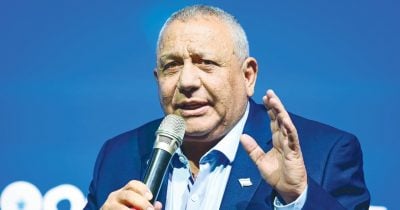
Eisenkot's rise signals potential shifts in Israeli politics, challenging Netanyahu's long-standing influence and altering future governance dynamics.

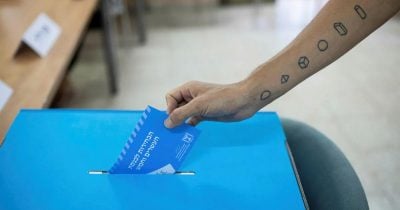
The election date's confirmation may stabilize Netanyahu's campaign, but geopolitical and domestic challenges still pose significant risks.

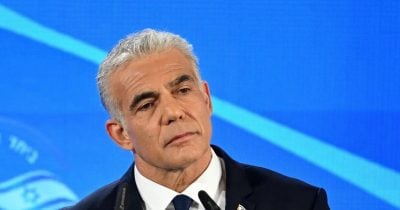
Lapid's pledge signals potential shifts in Israel's political landscape, possibly affecting Netanyahu's leadership and market stability.

The depiction intensifies geopolitical tensions, potentially affecting diplomatic relations and market perceptions of Iran's leadership stability.

The clash highlights deepening political instability in Israel, potentially leading to parliamentary dissolution and impacting market confidence.

Netanyahu's potential increased control over Likud could reshape party dynamics, impacting electoral strategies and internal democratic processes.

Internal dissent in Likud may weaken Netanyahu's influence, impacting his leadership and altering Israel's political landscape ahead of elections.

Netanyahu's potential U.S. visit could influence diplomatic dynamics, impacting U.S.-Iran peace talks and regional stability prospects.

The election could reshape Israel's political landscape, affecting regional stability and international relations amid ongoing conflicts.